

 Skip to content

Pumpkin seeds, often regarded as a nutritional powerhouse, have garnered considerable attention for their health benefits, and its no wonder why. Packed with vitamins, minerals, antioxidants, and fatty acids, these seeds offer a myriad of health advantages.
They contain magnesium, which is essential for various bodily functions including muscle and nerve function, blood glucose control, and blood pressure regulation. Magnesium is crucial for optimal health, especially as you age. Additionally, pumpkin seeds are a rich source of zinc, a mineral vital for immune system function and cell growth.
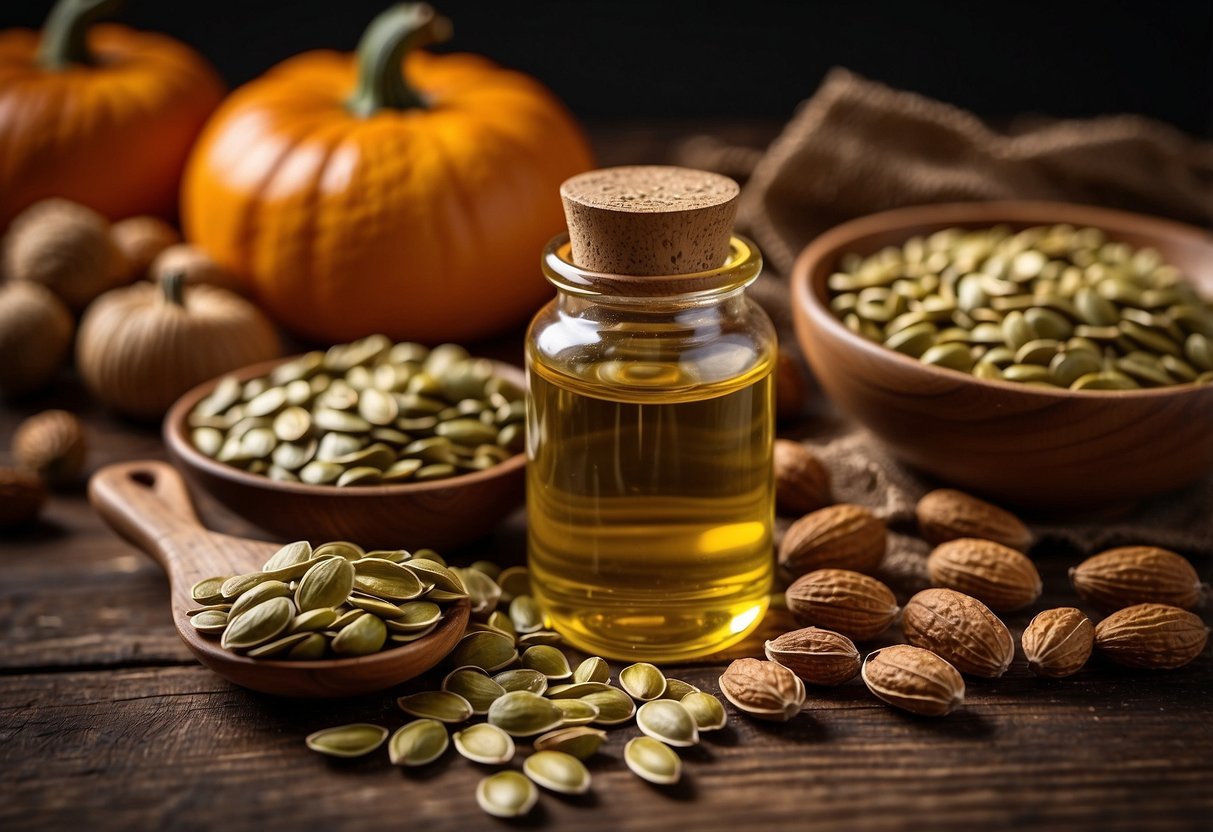
Integrating pumpkin seeds into our diet is straightforward and beneficial. They can be eaten raw or roasted, added to salads, yoghurts, or smoothies, or even baked into bread. These seeds are not only versatile in use but also carry an impressive nutrient profile that contributes to heart health, sleep quality, and overall wellness. Understanding the full scope of their nutritional benefits and how to properly incorporate them into our meals is central to reaping their health rewards.
In detailing the nutritional components of pumpkin seeds, we uncover their impressive profile, rich in essential nutrients our bodies require for optimal health.
Pumpkin seeds are a dense source of healthy macro-nutrients. A 28-gram serving typically contains about:
As for calories, the same serving size has roughly 156 calories, providing a balanced energy source.
Our focus shifts to the micronutrients found abundantly in pumpkin seeds:
Magnesium content is significant, with a 28-gram serving offering about 150 mg. Magnesium contributes to muscle and nerve function and bone health.
They contain 2.2 mg of zinc, a mineral crucial for the immune system and metabolism.
With 0.9 mg of iron per serving, pumpkin seeds aid in oxygen transportation in the blood.
Potassium content stands at 260 mg, supporting heart health.
Though lesser in amount, there’s also calcium, essential for bones and teeth, and sodium, which should be consumed in moderation.
Additional minerals include:
Pumpkin seeds offer a concentrated source of nutrients vital for various aspects of health. Loaded with antioxidants, these seeds contribute significantly to our wellbeing.
Pumpkin seeds are a heart-healthy snacking option. They are rich in magnesium, which aids in maintaining a healthy blood pressure. Regular consumption can lead to lower cholesterol levels due to their high fibre content.
The nutrients in pumpkin seeds, particularly magnesium, help improve insulin regulation and lower blood sugar levels. This can be beneficial for managing diabetes and preventing its complications.
Anti-inflammatory properties are abundant in pumpkin seeds, thanks to their high antioxidant content. Including pumpkin seeds in our diet can help reduce inflammation related to various chronic diseases.
Tryptophan, found in pumpkin seeds, contributes to our sleep quality by facilitating the production of serotonin and melatonin. These hormones are critical for a restful night’s sleep.
Fibre in pumpkin seeds promotes digestive health by aiding bowel regularity and preventing constipation. Consistent intake of fibrous foods like these seeds supports overall digestive wellbeing.
Pumpkin seeds may enhance fertility, particularly in men, by improving sperm quality. The zinc found in these seeds also supports healthy testosterone levels and overall hormonal balance.
For prostate health, nutrients in pumpkin seeds, especially zinc and selenium, play crucial roles. These elements have been linked to a lower risk of benign prostatic hyperplasia and prostate cancer.
Magnesium is essential for bone formation, and a high intake of pumpkin seeds can contribute to stronger bones and a reduced risk of osteoporosis. These seeds are an excellent source of this mineral.
Postmenopausal women may experience a reduction in hot flashes, joint pains, and other menopausal symptoms by incorporating pumpkin seeds into their diets, thanks to their phytoestrogen content.
Regularly eating pumpkin seeds may be associated with a lower risk of certain types of cancer, including breast and prostate cancers. This is partly due to their high concentration of antioxidants that combat free radicals.

Pumpkin seeds offer a wealth of nutrition, making them a fantastic addition to our diets. We can enjoy a variety of benefits from pumpkin seed oil, dietary fibre, and the vitamins they provide, not to mention their versatility in cooking.
Sprinkling roasted or raw pumpkin seeds onto salads adds a crunchy texture and boosts the nutritional profile with healthy fats and dietary fibre. For soups, a handful of pumpkin seeds work as a garnish, providing a pleasantly nutty flavour and polyunsaturated fat, which is beneficial for heart health.
Incorporating pumpkin seeds into our baking recipes enriches the food with unsaturated fats, fibre, and a lovely crunch. We can add them to breads, muffins, and even pesto for an extra nutritional punch. A serving size sprinkled into homemade granola or trail mix can elevate the energy yield through its mix of healthy fats and carbohydrates.
For a quick snack full of vitamins and minerals, pumpkin seeds are our go-to. Whether enjoyed raw or roasted, their high content of vitamin E and carotenoids support our overall health. We can toss them in a bit of salt and roast them in the oven for a moreish snack or add them to yogurt, smoothies, and even sprinkle on toast for an added energy boost.
In this section, we’ll explore the different forms of pumpkin seeds and their processing methods, which are important for understanding their health benefits.
When comparing raw versus roasted pumpkin seeds, one must consider the texture and flavour changes. Raw pumpkin seeds have a chewier texture and a subtler taste. Roasting pumpkin seeds enhances their crunchy texture and intensifies their flavour. It’s important to note that roasting at high temperatures can affect their antioxidant content.
Pumpkin seeds come in various forms, with pepitas being the most well-known variety. Pepitas are shelled pumpkin seeds, typically from certain types of pumpkins that produce seeds without a shell. This leads to a more concentrated flavour and a more tender eating experience.
Seed derivatives include pumpkin seed oil, which is extracted from roasted seeds and prized for its nutritional profile, including essential fatty acids.
To prepare pumpkin seeds at home:
Incorporating pumpkin seeds into our diet is a strategic choice for supporting various lifestyle goals, from weight management to exercise enhancement. They’re not just tasty; they’re packed with nutrients that can help us tackle some common health concerns.
We find pumpkin seeds especially valuable for weight management due to their high fibre content and healthy fats. One serving of these seeds contains about 1.7 grams of fibre and can help us feel fuller for longer periods, reducing the tendency to overeat. Moreover, the seeds have a low glycaemic index, which means they help in maintaining stable blood sugar levels, an important factor in controlling hunger and reducing obesity risks.
Caloric Content of Pumpkin Seeds:
Pumpkin seeds are a boon for us when it comes to managing food allergies. They are naturally gluten-free and are considered a safe alternative for those suffering from celiac disease or gluten sensitivity. Additionally, they do not commonly trigger allergies, which makes them a reliable source of minerals and nutrients for individuals with nut or seed allergies.
Nutritional Profile Highlight:
Our muscles demand proper nutrition for growth, maintenance, and recovery from exercise. Pumpkin seeds are a powerhouse containing magnesium, which is essential for muscle function and avoiding cramps during workouts. They’re also rich in antioxidants, such as phenols, which combat inflammation and aid in muscle recovery. In fact, just a small handful of pumpkin seeds post-exercise can contribute to improved energy levels and support overall muscle health.
Key Nutrients for Exercise Support:
When considering adding pumpkin seeds to our diet, it’s important to be aware of the suitable serving sizes and ways to include them in our meals effectively.
For a balanced diet, we recommend including a small handful of pumpkin seeds, which equates to approximately 30 grams. This serving size ensures that we can enjoy the nutritional benefits of the seeds without consuming excessive calories. It’s worth noting that while pumpkin seeds are nutritious, they are also high in calories, so moderation is key to maintaining a balanced diet.
Pumpkin seeds are a versatile addition to our diet and can be easily incorporated into various dishes. Here are some ways to add them to our meals:
Remember, pumpkin seeds can enhance the flavour and nutrition of many dishes, making them a valuable component of our daily nutrition.
While pumpkin seeds are laden with health benefits, it’s imperative to consider potential drawbacks and necessary precautions for certain individuals. We must take into account the adverse effects, contraindications, and possible interactions with medications to fully understand the impact on one’s health.
Pumpkin seeds, though generally safe for consumption, may cause allergic reactions in some individuals that can include hives, headache, or difficulty breathing. It’s crucial for those with known seed allergies to avoid pumpkin seeds.
In terms of digestive health, overconsumption can lead to gastrointestinal discomfort as pumpkin seeds are rich in fibre. Benign prostatic hyperplasia (BPH) can be influenced by excessive intake of pumpkin seeds, although studies generally point towards beneficial effects, moderation is key.
| Risk Factor | Consideration |
|---|---|
| Allergic Reactions | Avoid seeds if allergic |
| Digestive Discomfort | Limit intake if gastrointestinal discomfort occurs |
| Benign Prostatic Hyperplasia | Monitor condition if diagnosed with BPH |
Our analysis suggests that pumpkin seeds could interact with certain medications, affecting individuals differently depending on their health status. For instance, pumpkin seeds have the potential to lower blood pressure; thus, those on hypertension drugs must be cautious as it could potentiate their effects.
Moreover, due to their role in reducing cholesterol levels, they could amplify the effects of cholesterol-lowering drugs, requiring adjustments in dosages. Individuals managing diabetes might need to monitor blood sugar levels closely, considering pumpkin seeds influence on glucose regulation.
| Medication Type | Interaction |
|---|---|
| Blood Pressure Drugs | May enhance hypotensive effects |
| Cholesterol Medications | Could intensify medication’s cholesterol-lowering effects |
| Diabetes Medications | Monitor for hypoglycaemic effects due to pumpkin seeds’ blood sugar impact |
Each individual’s scenario is unique, and we advise consulting a healthcare professional before consuming pumpkin seeds, especially if managing chronic conditions like diabetes, cancer risk, or cholesterol levels, or if taking any medication that might interact with pumpkin seeds.
We understand that pumpkin seeds hold more than just nutritional value; they are ingrained in culture and history, tracing back to ancient civilisations and spreading across the globe with varied uses and significant popularity.
Pumpkin seeds, or pepitas, were essential to the Native Americans who recognised their dietary and medicinal properties. They used pumpkin seeds in their diets and as a form of parasitic treatment. The practice of cultivating pumpkins and their seeds for consumption dates back to over 7,500 years ago in Mexico. Historical texts reveal that these seeds were also celebrated in festive events and consumed for their health benefits.
Over time, pumpkin seeds gained global recognition. Our research reveals an interesting shift in the popularity of pumpkin seeds, with them gaining prominence in various international cuisines. In Eastern Europe, the seeds have traditionally been used in dishes for generations, becoming a staple in many households. More recently, global trends reflect an increased interest in healthy living, with pumpkin seeds emerging as a superfood packed with essential nutrients. They’re now commonly found in supermarkets around the world, lining the shelves as snacks and ingredients for our modern diets.
This trend intertwines with cultural elements, as we see pumpkin seeds incorporated into various cultural festivities, a testament to their versatility and enduring appeal.
Pumpkin seeds offer a range of benefits for health, and we’ll address some common queries to help you understand how they can fit into a healthy lifestyle.
Pumpkin seeds are rich in zinc, a mineral important for men’s reproductive health and prostate function. Regular consumption may also support testosterone levels.
Absolutely. Pumpkin seeds are a good source of iron and magnesium, which are vital for women’s health, especially in regards to energy levels and bone health.
We find that, in moderation, pumpkin seeds are generally safe. However, overconsumption could lead to gastrointestinal issues due to their high fibre content. Allergies are rare but possible.
The nutrients in pumpkin seeds such as zinc and magnesium can support sexual health by promoting good blood circulation and hormone regulation.
We advise eating about 28 grams (a small handful) of pumpkin seeds daily to benefit from their nutrients without exceeding recommended calorie intake.
The antioxidants in pumpkin seeds, including vitamin E and carotenoids, can protect skin cells from damage and improve skin appearance. Omega-3 and omega-6 fatty acids in the seeds also help maintain healthy skin.

 Optimized by Seraphinite Accelerator