

 Skip to content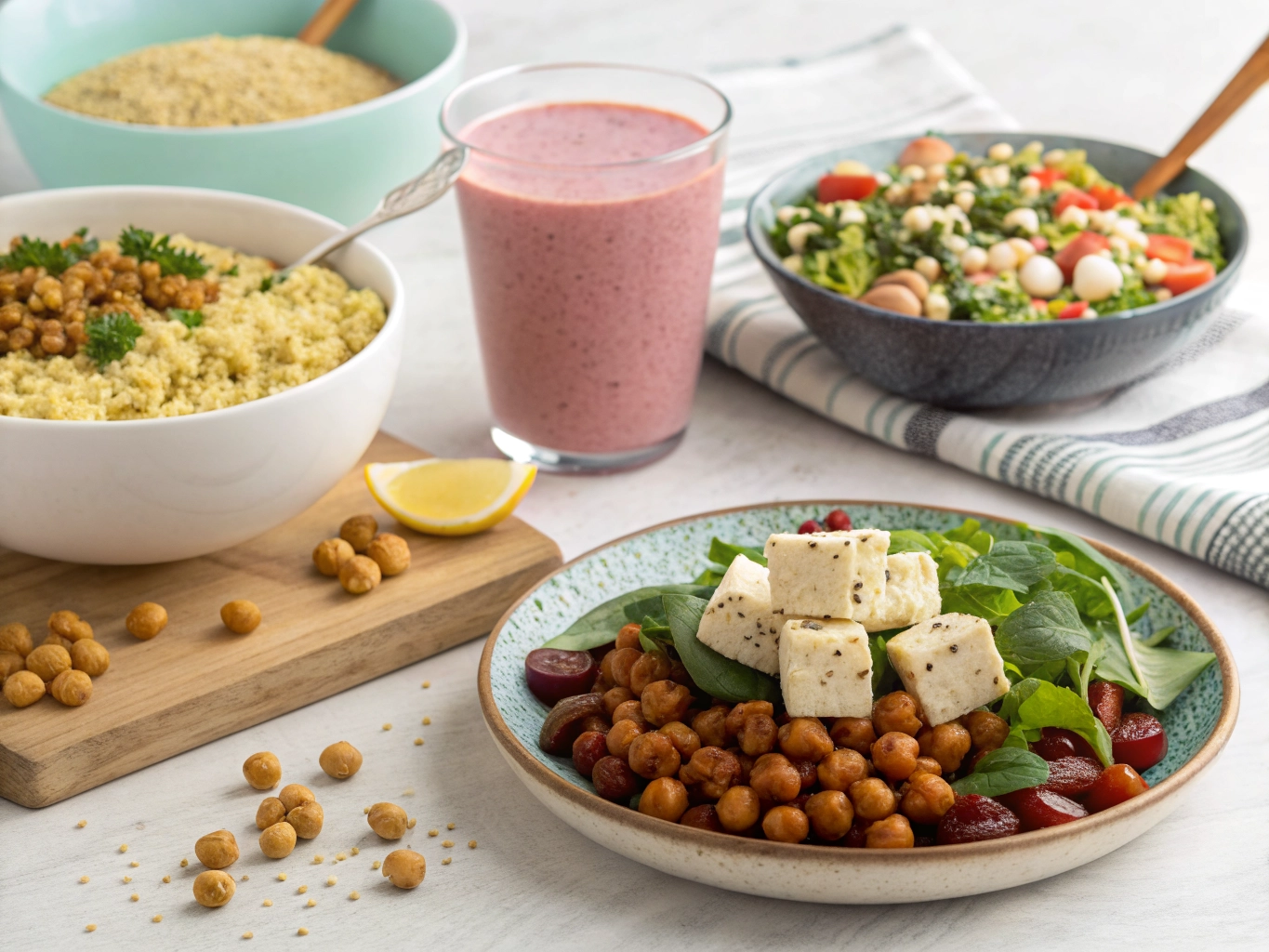
Getting enough protein on a vegetarian diet is easier than many people think. We often hear concerns about whether plant-based eating provides enough protein, but plenty of simple options fit naturally into everyday meals.
We can boost our protein intake by making small additions to foods we already eat and choosing protein-rich ingredients for our main dishes. From adding ingredients to smoothies and pasta to choosing the right snacks and meal bases, these approaches work for busy schedules and varied tastes. Plant-based products can help people meet their daily protein needs without difficulty.
The strategies we’ll explore include both creative tweaks to existing meals and straightforward ingredient swaps. Whether we’re looking for quick snacks or complete meal ideas, understanding which foods pack the most protein helps us make better choices throughout the day.
Nutritional yeast is a deactivated yeast that offers a surprisingly cheesy, nutty flavour without any dairy. We often call it “nooch” in plant-based cooking circles.
This golden-yellow ingredient provides protein, fibre, and essential B vitamins, making it a practical addition to vegetarian meals. Two tablespoons typically contain around 8 grams of protein.
Sprinkle nutritional yeast over cooked pasta like you would parmesan cheese. It dissolves slightly into hot pasta, creating a savoury coating that enhances the dish. The cheesy, umami flavour elevates every bite whilst adding nutritional value.
For salads, we recommend adding nutritional yeast directly to dressings or sprinkling it over the top. It sticks well to leafy greens and provides that savoury depth we often crave in plant-based meals.
The beauty of nutritional yeast lies in its versatility. We can add it to soups, sauces, and popcorn just as easily. It requires no preparation and stores well in our pantry for months.
We can easily add more protein to our morning routine by blending silken tofu into smoothies. This simple trick adds a creamy texture while significantly boosting protein.
Silken tofu works brilliantly because it doesn’t alter the flavour of our smoothies. Unlike firm tofu, its soft texture blends smoothly without any graininess. A single serving provides around 8–12 g of protein, making it an effective dairy-free alternative to yoghurt. Tip: Boost protein with seeds in a smoothie, or use soy milk.
The process couldn’t be simpler. We add a few cubes of silken tofu to our blender along with our usual smoothie ingredients. Frozen fruit, leafy greens, and seeds all work well alongside the tofu.
This method is particularly useful for making high-protein smoothies without relying on protein powder. The tofu provides a clean source of plant-based protein that keeps us feeling satisfied for hours. We can prepare our smoothies in under 10 minutes, making them perfect for busy mornings when we need a quick, nutritious meal.

Switching to fortified plant-based milks is one of the simplest ways to increase your daily protein intake. Fortified soy milk provides as much protein as cow’s milk, making it an excellent choice for vegetarians.
Soy milk typically contains 7-8 grams of protein per 250ml (around a glass full).
Pea milk offers similar amounts, with fortified soy- or pea-based milks containing 7-10 grams of protein per 250 ml glass.
These milks work well in our morning coffee, smoothies, and breakfast cereals. We can also add them to porridge and use them in cooking just as we would regular milk.
Beyond protein, fortified plant-based milks contain added vitamins and minerals including calcium, vitamin D, and vitamin B12. This is particularly helpful for vegetarians who may need extra support meeting these nutrient requirements.
When shopping, we should look for versions labelled as fortified. About 35% of households purchased plant-based milk at least once in 2023, showing how mainstream these options have become.
Adding lentils to our soups and stews is one of the simplest ways to increase protein without much effort. Lentils work well in these dishes because they absorb the broth’s flavours while adding substance.
We can choose from different types based on what we’re making. Red lentils break down quickly and create a thicker texture. Brown and green lentils hold their shape better, giving us a heartier meal.
Lentil soups are easy to prepare and don’t require special cooking skills. We rinse them and add them directly to the pot. They cook in about 20 to 30 minutes depending on the variety.
These legumes pack roughly 9 grammes of protein per half cup when cooked. They also provide fibre, iron, and folate. This makes them excellent for protein-packed meals that support our nutritional needs.
We can add lentils to vegetable soup, tomato-based stews, or curry dishes. They’re budget-friendly and store well in our cupboard, making them practical for regular use.
We love roasted chickpeas as a satisfying alternative to crisps. They’re crispy, flavourful, and packed with nutrition.
A single cup of roasted chickpeas provides about 12 grams of protein. That makes them an excellent choice when we need an energy boost between meals.
Making them at home is simple. We drain and dry tinned chickpeas, toss them with a bit of oil and our favourite seasonings, then roast them in the oven until golden and crunchy. The whole process takes under 30 minutes.
We can customise the flavour to match our cravings. Smoky paprika and garlic create a savoury option, whilst cumin and chilli powder add a spicy kick. Sweet cinnamon works brilliantly for a dessert-like treat.
These protein-packed snacks stay fresh for several days when stored in an airtight container. We make larger batches on Sunday to have healthy snacks ready throughout the week. They’re perfect for lunchboxes, road trips, or keeping at our desks for afternoon snacking.
Quinoa works brilliantly as a foundation for both salads and bowls. This tiny seed contains all nine essential amino acids, making it a complete protein that delivers roughly 8 grams per cooked cup.
We recommend rinsing quinoa before cooking to remove its natural coating. Cook it in water or vegetable stock until it becomes light and fluffy. Once cooled, it’s ready to use.
For quinoa salad recipes, we can mix it with fresh vegetables, herbs, and a simple vinaigrette. Mediterranean versions pair well with chickpeas, olives, and peppers. The neutral flavour means quinoa takes on whatever seasonings we add.
Quinoa bowls offer endless variety for breakfast, lunch, or dinner. We can top the cooked quinoa with roasted vegetables, leafy greens, beans, and our favourite dressing. The combination of quinoa and legumes provides a substantial protein boost that keeps us satisfied.
The texture adds a pleasant bite to salads without feeling heavy. We find it particularly useful for meal prep since cooked quinoa stores well in the fridge for several days.

Edamame beans are young soybeans that pack about 11 grams of protein per 100 grams. We can easily add them to salads and stir-fries for a quick protein boost.
These green beans work well in stir-fries because they cook quickly and hold their texture. We simply toss them into the pan during the last few minutes of cooking. They pair nicely with vegetables like peppers, mushrooms, and onions.
For salads, we can use edamame beans straight from frozen after a quick blanch in boiling water. They add a pleasant crunch and mild, slightly sweet flavour. This protein-packed side dish comes together in about 15 minutes.
The beans also contain fibre and essential vitamins. We find them particularly useful for quick weeknight meals when we need something nutritious but don’t have much time to cook.
Most supermarkets sell frozen edamame beans in the freezer section. We keep a bag on hand for those moments when we want to boost the protein content of our meals without much effort.
Cottage cheese works brilliantly as a sandwich filling or spread. We can layer it between bread with tomatoes, cucumbers, and lettuce for a simple protein boost. One cup of 2% cottage cheese contains 24 grams of protein, making it an efficient way to meet our daily needs.
Cottage cheese sandwiches offer endless possibilities. We can spread it on toast for a quick breakfast or create more elaborate club sandwiches for lunch. The creamy texture pairs well with both fresh vegetables and heartier ingredients like avocado or roasted peppers.
As a side dish, cottage cheese requires no preparation at all. We can serve it alongside salads, soups, or grain bowls. It also works as a topping for jacket potatoes, adding protein without heavy sauces or butter.
The mild flavour means it won’t overpower other ingredients. We can season it with herbs, pepper, or a drizzle of olive oil to enhance the taste. This versatility makes cottage cheese a practical addition to various meals throughout the day.
Greek yoghurt delivers an impressive amount of protein in just one serving. A single cup typically contains 15-20 grams of protein, making it one of the easiest vegetarian protein sources we can add to our diet.
We can pair Greek yoghurt with fresh berries, sliced bananas, or chopped mango for a balanced breakfast or snack. The fruit adds natural sweetness whilst providing vitamins and fibre. For extra crunch and nutrition, we should top it with granola or nuts.
Greek yoghurt works well in smoothies too. We can blend it with our favourite fruits for a protein-rich drink that keeps us full for hours.
Another simple option is creating a breakfast bowl. We layer the yoghurt with rolled oats, fresh fruit, and a drizzle of honey or nut butter. This combination gives us sustained energy throughout the morning.
The versatility of Greek yoghurt means we’re never stuck eating the same thing. We can experiment with different fruit combinations and toppings to keep our meals interesting whilst meeting our protein needs.
Black bean burgers pack about 15 grams of protein per patty, making them an excellent choice for boosting our protein intake. We can create flavourful vegetarian patties using simple pantry ingredients.
The key to success is achieving the right texture. We need to mash the beans partially whilst leaving some whole for a better bite. Adding breadcrumbs or oats helps bind everything together and prevents mushy results.
These burgers work brilliantly for meal prep. We can make a batch and store them in the fridge for quick weeknight dinners throughout the week.
For extra protein, we can mix in ingredients like quinoa, nuts, or seeds. The hearty patties hold together well whether we pan-fry, bake, or grill them.
Serving options are endless. We might top them with avocado, serve them on wholemeal buns, or pair them with a fresh salad. The combination of black beans with seasonings like cumin, garlic, and chilli powder creates a satisfying meal that even meat-eaters enjoy.
Plant-based proteins differ in their amino acid profiles and how efficiently our bodies absorb them, but combining different sources throughout the day ensures we meet our nutritional needs.
Proteins are made up of building blocks called amino acids. Our bodies need nine essential amino acids that we must get from food.
Complete proteins contain all nine essential amino acids in adequate amounts. Animal products like eggs and dairy are complete proteins. Among plant-based protein sources, quinoa, soy products, and buckwheat stand out as complete proteins.
Incomplete proteins lack one or more essential amino acids. Most plant foods fall into this category, including:
We don’t need to combine incomplete proteins in the same meal. Eating a variety of protein sources throughout the day provides all essential amino acids our bodies need.
Bioavailability measures how well our bodies digest and use protein. Plant proteins generally have lower bioavailability than animal proteins due to fibre and anti-nutrients like phytates.
Soy protein has the highest bioavailability amongst plant sources, scoring nearly as well as animal proteins. Legumes and grains score moderately well, whilst some nuts and seeds rank lower.
We can improve bioavailability through simple preparation methods:
Eating slightly more plant protein than the recommended daily amount compensates for lower bioavailability. Most vegetarians naturally achieve this through varied protein-rich foods in their regular diet.
Getting enough protein on a vegetarian diet requires attention to daily intake amounts and making sure we balance protein with other nutrients our bodies need.
Most adults need about 0.8 grams of protein per kilogram of body weight each day. For a person weighing 70 kilograms, that works out to roughly 56 grams daily.
Research shows it’s easy for vegetarians to meet protein needs through varied food choices. The key is eating protein throughout the day rather than trying to get it all in one meal.
We can spot potential deficiencies through several signs. These include feeling tired often, slow wound healing, getting sick frequently, or losing muscle mass. Hair loss and weak nails can also signal we’re not getting enough protein.
To prevent deficiencies, we should include protein at every meal. Breakfast might feature eggs or Greek yoghurt. Lunch could include lentil soup or chickpea salad. Dinner options include tofu stir-fry or bean-based dishes.
Keeping a food diary for a few days helps us track actual protein intake. Many free apps can calculate protein content from the foods we log.
Protein works best when balanced with carbohydrates and fats. We shouldn’t focus only on protein whilst ignoring other essential nutrients.
A balanced vegetarian plate typically includes one quarter protein foods, one quarter whole grains, and half vegetables and fruits. This ensures we get adequate protein alongside fibre, vitamins, and healthy fats.
Some high-protein foods are also high in fats or carbohydrates. Nuts and seeds provide protein but contain significant fat calories. Beans offer protein but also contribute carbohydrates. Understanding these combinations helps us plan balanced meals strategically.
We should aim for variety in protein sources rather than relying on just one or two foods. Combining different plant proteins throughout the day provides a complete range of amino acids our bodies need.
Pairing protein with fibre-rich carbohydrates keeps us fuller longer and maintains steady energy levels throughout the day.

 Optimized by Seraphinite Accelerator