

 Skip to content
Building a strong core isn’t just about having a flat stomach or visible abs. It’s about creating a solid foundation for all kinds of physical activities. Our core muscles play a crucial role in our overall strength and stability, so it’s important to give them the attention they deserve.
But if you want to target specific abdominal muscles, the following list of exercises can give you additional ideas.
When we work on developing our core, we’re not only aiming to improve our appearance, but we’re also enhancing our posture, reducing the risk of back pain, and increasing our athletic performance. A well-rounded core workout can help us feel better in our daily tasks and support our fitness goals.
We’ve all heard of the plank exercise, and for good reason! It’s a fantastic way to build strength in our core muscles. When we do a plank properly, it targets not just our abs, but also works our shoulders, back, and glutes. It’s a full-body stabiliser that’s simple yet effective.
To start a plank, we get into a push-up position on the floor. We then hold our body straight and off the ground, supported by our forearms and toes. It’s important to keep our elbows under our shoulders and our body in a straight line from head to heels. This means no sagging hips or piking up—we want to be as flat as a board!
As we hold the position, we must remember to breathe normally. It might be tempting to hold our breath, but steady breathing helps keep us steady and focused. Our core should be tight, and we should feel the burn as our muscles work hard to keep us stable.
For a bulletproof core, adding variations to the plank can be beneficial. For instance, lifting one leg or arm, or even trying a side plank, can challenge us in different ways. But even the most basic plank holds a lot of value. Remember, it’s not about how long we can hold it, but how well we maintain our form.
There are many tips out there on plank exercises that can help improve our technique and core strength. Regular practice makes a huge difference. Let’s get planking, shall we?
When we’re aiming to strengthen our core, the Russian Twist stands out as a superb exercise that targets our abdominal muscles and obliques. It’s a simple yet effective move we can do almost anywhere – whether we’re at the gym or in the comfort of our own home.
Before we get started, let’s make sure we’re doing it properly to avoid any risk of injury. To begin, we sit on the floor or a mat with our knees bent and feet flat on the ground. We lean back slightly, keeping our spine long and our core engaged to support our lower back. Holding our hands in front of our chest, we rotate our torso from side to side. We make sure that the movement comes from our ribs turning and not just our arms swinging.
The Russian Twist works wonders because it involves a twisting motion, which activates the muscles on the sides of our abdomen. These muscles are known as our obliques. For a bit of a challenge, we can try lifting our feet off the ground, or holding a weight in our hands as we twist.
It’s important to keep our movements controlled and not rush through them. We focus on the quality of the twist over the speed or number of repetitions. This ensures that we’re using our muscles effectively and not just relying on momentum to swing us from side to side.
Remember, to see the best results, we need to ensure we’re combining this exercise with a well-rounded fitness routine and healthy eating habits. Regularly including the Russian Twist in our core workout can help us build that bulletproof core we’re after.
Leg raises are a solid choice for strengthening our core, especially the lower abdominal muscles. To start, we’ll lie flat on our back with our legs straight. From here, we slowly lift our legs to a 90-degree angle, keeping them straight and avoiding any bending at the knees. It’s crucial to engage our core and not let the lower back arch too much.
As we raise our legs, let’s try to keep our movements smooth and controlled. We’re aiming to avoid any swinging or momentum, as this takes the focus away from our abdominal muscles. If we find it too challenging at first, a good modification can be to bend our knees slightly. This adjustment can help us maintain better form while still building strength in our core.
When our legs reach the top of the movement, we take a brief pause, then gently lower them back to the starting position. It’s here that we can really feel our core working hard to control the descent.
Incorporating leg raises into our fitness routine can also aid in improving our balance and stability. Being regular with this exercise can lead to an improvement in our posture and a reduction in lower back pain over time. For more insights and variations on leg raises, check out Home Training Hero.
Let’s remember not to rush the process and focus on quality over quantity. By performing leg raises with proper form, we’ll be well on our way to building a stronger, more resilient core.
Let’s get our cores working with bicycle crunches. These are fantastic for targeting not just our abs but also our obliques, making for an excellent all-around abdominal workout. We’ll be needing a bit of floor space and maybe a mat for comfort.
First, we’ll lie on our backs, hands lightly supporting our heads, and knees bent as if we’re about to do a sit-up. Let’s keep our lower back pressed to the ground to protect it. Now, we lift our shoulders slightly off the floor – no yanking on our neck, please.
Here’s the fun part. We’re going to pedal our legs in the air like we’re cycling, bringing one knee towards the chest while extending the other leg out. With each pedal, we twist our torso so the opposite elbow meets the opposite knee. It’s like our body’s doing a little dance – elbow to knee, while keeping that core engaged.
This move is good for us because it works multiple muscles at once. And guess what? If we have neck or back troubles, there are variations that can help. Remember, quality over quantity. If we do these with proper form, we’re not just going for a good look, we’re building strength too.
Let’s aim for balance, doing the same number of reps on each side. If we keep up with these bicycle crunches, our core’s going to thank us. It’s all about progress and doing what’s best for our body, right? Keep it steady, and let’s crunch our way to a stronger core.
When we talk about strengthening our core, hanging knee raises are a brilliant exercise to include in our routine. They’re simple but effective, and we can do them almost anywhere with a pull-up bar. Let’s start by hanging from the bar with our arms straight and our legs together. This position alone is an excellent start for boosting our grip strength as well.
Once we’re hanging, we should raise our knees towards our chest in a controlled manner. We’re aiming for our thighs to be parallel to the ground, but if we can pull them higher, that’s even better. Do remember, this isn’t a swing. We need to engage our core muscles to lift our legs, not momentum.
We want to aim for about 10-15 of these knee raises to begin with. It’s important to keep our movements smooth and to lower our legs back down with control. This engages our abs and hip flexors and can lead to solid improvements in our core strength over just a few weeks.
Besides strengthening our midsection, hanging knee raises can also help improve our balance and stability. Plus, they can be a gateway into more advanced core exercises like toes-to-bars and L-sits. We can also add variations, such as twisting as we lift our knees, to work on our obliques further.
For us, it’s key to maintain good form, so if we start to swing or use momentum, it’s time to take a break. This will ensure we’re getting the most out of the exercise and really focusing on building up our core.
Let’s get our hearts pumping and our cores engaged with mountain climbers! This exercise is perfect for building core stability and strength. To start, we need to get into a plank position, making sure our hands are stacked directly under our shoulders and our body forms a straight line from head to heels.
Once we’re set up, it’s time to drive our knees in towards our chest, one at a time, and quickly switch legs, as if we’re running on the spot. It’s important to keep our backs flat and our hips down, engaging our abs throughout the movement.
Mountain climbers not only work our entire core, but they also give us a good cardio boost. We’ll be using our shoulders and arms to support ourselves, which helps build upper body strength as well. Plus, this exercise is fantastic for improving our coordination and agility.
If we want to challenge ourselves even more, we can try speeding up the pace or adding a twist to engage our obliques. Let’s keep our movements controlled to avoid straining our backs. Consistency is key, so let’s aim to include mountain climbers in our workout routine regularly for the best results!
Flutter kicks are a brilliant exercise for fortifying our core. When we do them, we’re not just working our abs, but also engaging our hip flexors and lower back muscles. This move is quite easy to do. We start by lying flat on our backs with our arms by our sides, palms facing down. Keeping our legs straight, we raise them slightly above the ground.
The key is to keep our legs lifted and to kick them up and down alternately, just like we’re swimming. This helps to target our lower abdominal muscles and improve the stability of our core. They’re fantastic for anyone looking to strengthen their core, which is so important for our general fitness and to prevent injuries. They can be part of our workout both as a standalone exercise or included in a circuit.
When doing flutter kicks, it’s crucial to keep our movements controlled. We should avoid letting our legs drop too low to the ground, as this could put pressure on our back. If we’re doing the exercise as part of a set, we can either count our kicks, say up to 20, or do them for a fixed amount of time like 20 seconds.
By regularly incorporating flutter kicks into our routine, we may see improvements in our posture and find we have less lower back discomfort. They are a simple but effective way to build a rock-solid core.
When we’re talking about toughening up our core, we can’t overlook the side plank. It’s a mighty exercise that really targets our side muscles, the obliques. Let’s dive into how we can do this effectively.
Firstly, we lie on our side, with our legs straight. Prop up your body on your elbow and forearm, which should be directly below your shoulder. Now, raise your hips until your body is in a straight line from ankles to shoulders. Your free hand can either rest on your side or extend towards the ceiling.
Importantly, keep your hips high and your core braced. This action ensures we’re working the muscles properly. For beginners, holding the position for just a few seconds might be challenging, but with time, we can aim to hold it longer.
What’s great about the side plank is that it improves our balance and strengthens our back as well. We can feel the muscles working on the side of our core, which is important for our body’s overall stability.
For a bit of a challenge, we can try lifting our top leg while holding the side plank. This variation takes the intensity up a notch, so give it a go when you feel ready.
Remember, our breathing matters too. Smooth breaths in and out will help us keep the position without straining.
Keep practising, and soon, we’ll be nailing the side plank like pros!
If we’re aiming to strengthen our core, the Dead Bug exercise is a brilliant move to include in our routine. Let’s lie on our back to start, with our arms extended towards the ceiling. Our knees should be bent at a 90-degree angle above our hips. This position sets us up nicely for the move ahead.
We’ll focus on keeping our lower back pressed into the floor as we slowly lower our opposite arm and leg towards the floor. It’s crucial not to let our back arch. If we find this tricky, it’s a sign that our core muscles are being challenged, which is exactly what we want. We need to bring them back up and switch to the other arm and leg, moving smoothly and with control.
Consistency is key here, so let’s aim for about 3-4 sets of 10-15 repetitions on each side. For variations to the Dead Bug exercise, we can try straightening the leg to add intensity. This works our core even harder to prevent our back from arching.
By including the Dead Bug in our workouts, we are not just building a stronger core, we’re also improving our stability. Our abs, lower back, and hip flexors all get in on the action, making it a comprehensive exercise for better core strength and control. Let’s make sure we’re breathing correctly throughout—exhale as we lower, inhale as we return to the starting position. This will aid in engaging our core muscles more effectively.
Bird Dog is one of our favourite core exercises because it’s simple to do, yet remarkably effective. The beauty of this exercise lies in its ability to work multiple muscle groups simultaneously. When we perform the Bird Dog, we target our abs, lower back, glutes, and shoulders.
To begin, we get down on all fours, ensuring our hands are directly below our shoulders and knees are below our hips. By pulling in our abdominals, we keep our spine neutral and avoid any sagging or arching. This starting position sets us up for success.
We then raise one arm and the opposite leg until they’re both in line with the body, hold for a moment and bring them back to the starting position. It’s important to move smoothly and keep our core engaged to maintain balance and stability. We’d typically aim for about five reps on each side, but if we’re feeling up to it, we can go for additional repetitions to really challenge ourselves.
The Bird Dog is praised not just for core stability and strength but also for its role in improving balance and coordination. We find that it’s an excellent way to wrap up our core workout as it is low-impact, safe for most fitness levels, and really helps promote spinal health and body strength.
We can explore different variations once we master the basics, such as pausing longer at the top of the movement or adding limb movements to increase the difficulty. And because it doesn’t require any equipment, we can enjoy the benefits of the Bird Dog exercise virtually anywhere.
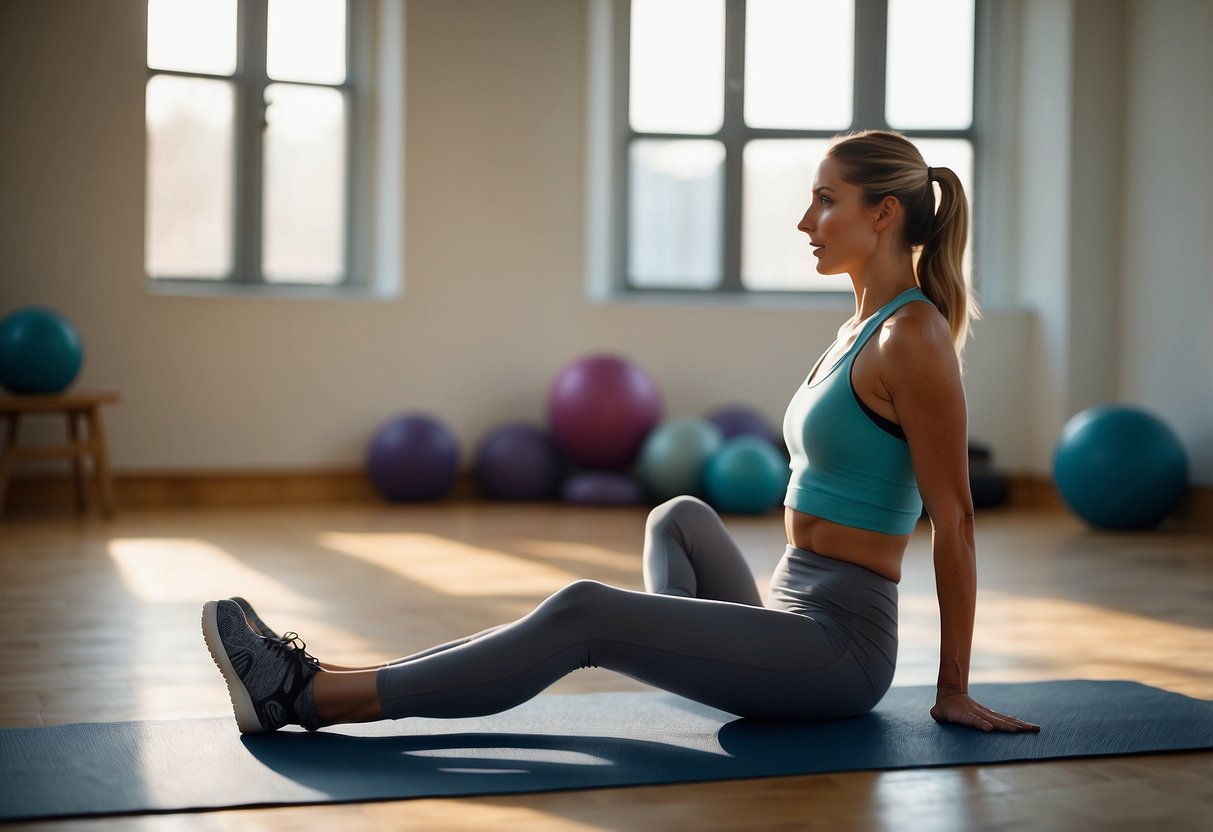
Having a strong core is key to not just looking fit, but feeling great in our daily activities. It helps us keep our balance during movement, maintain a good posture, and steer clear of injuries.
Our core is the central link connecting our upper and lower body. The stronger our core, the better our control and stability. Think about a tree – if its trunk isn’t solid, the tree can sway precariously. Similarly, a strong core anchors us and ensures we can move with confidence during everyday tasks or while playing sports.
A robust core supports our back and helps to hold our body upright. That means we can say goodbye to slouching and hello to standing tall! Good posture is not just about appearances; it promotes muscle efficiency and endurance, which can boost our energy levels throughout the day.
A fortified core acts as a protective shield for our inner organs and central nervous system. Plus, it’s like the body’s shock absorber. If our core is weak, we’re more prone to falls, strains, and sprains. By strengthening our core, we’re looking after our body’s foundation, significantly cutting the risk of hurting ourselves.
Before we start, let’s remember that strengthening our core is not just about doing a few sit-ups. It involves understanding how our muscles work together, the importance of proper breath control, and how to safely increase the intensity of our workouts.
To really make the most of our core workouts, we need to ensure we are engaging our core muscles properly. This means actively contracting your abdominal muscles during each exercise. A good way to practice this is by imagining you’re pulling your belly button towards your spine. This simple mental cue can help activate not just the surface muscles, but the deeper core muscles as well, providing a more effective workout and better support for your spine.
Example exercises:
Breathing might seem automatic, but when it comes to core training, it’s a game-changer. We should breathe out on the effort of the movement — think about exhaling as you lift in a crunch. Proper breathing not only helps to engage our core muscles but also prevents unnecessary strain on other muscle groups. Plus, it keeps us from holding our breath, which can increase blood pressure dangerously.
Tips for breathing:
We always look for improvement, right? That’s where progressive overload comes into play. By gradually increasing the difficulty of our core exercises, we’re challenging our muscles to grow stronger. Remember, this isn’t just about adding weight — we can progress by increasing reps, tweaking the form for more of a challenge, or changing the tempo of our exercises.
Ways to apply progressive overload:

 Optimized by Seraphinite Accelerator
2 responses
Thanks for sharing. This will also lead to longevity
Yes. Enjoy your training!