


Menstrual cups are a game-changing period product that offers an eco-friendly alternative to traditional pads and tampons. These flexible, bell-shaped cups collect rather than absorb menstrual flow, allowing for longer wear and less waste. They take a little bit of getting used to, because they’re new but are a brilliant way to manage your periods.
Menstrual cups can be worn for up to 12 hours, depending on your flow. They should be emptied, rinsed and cleaned at least twice a day.
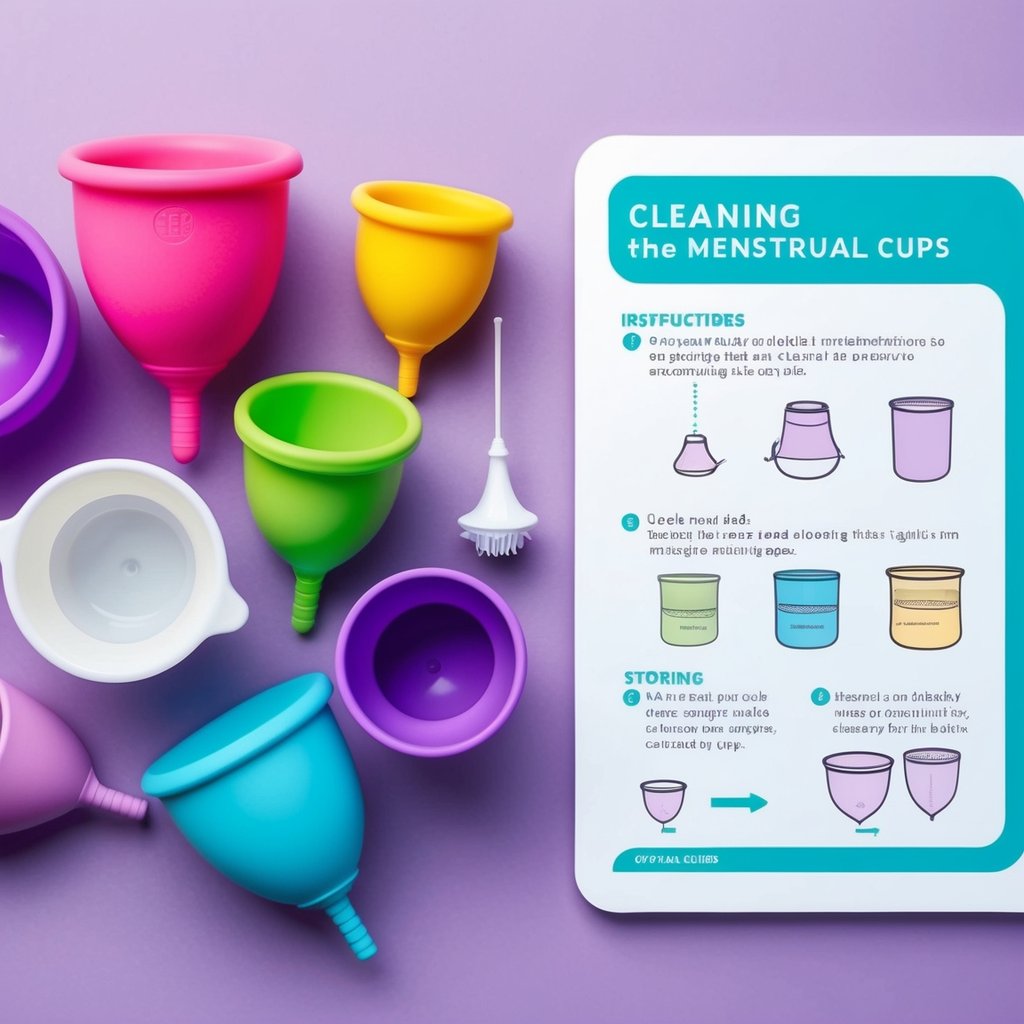
Proper cleaning is essential for safe use. Before your first use, boil your cup for 3-5 minutes to sterilise it.
During your period, empty the contents into the toilet and wash the cup with mild, unscented, oil-free soap and water before reinserting.
Pay special attention to the air holes and interior by gently rubbing with your thumbs to ensure thorough cleaning.
Between cycles, you’ll want to give your cup a more thorough clean. Boiling is a common method, but you can also use a specialised menstrual cup cleanser.
With proper care, a single cup can last for years, making it not only better for the environment but also friendlier to your wallet.
Menstrual cups are becoming increasingly popular as a sustainable and convenient alternative to traditional period products. These small devices offer a different approach to managing your monthly flow with numerous advantages for both your body and the environment.
A menstrual cup is a small, flexible cup typically made from medical-grade silicone that’s inserted into the vagina during your period. Unlike tampons or pads that absorb menstrual fluid, cups collect it instead. Most cups can hold more blood than other period products, allowing for longer wear time (up to 12 hours).
The cup forms a gentle seal against your vaginal walls to prevent leaking. When inserted correctly, you shouldn’t feel it at all! Many women find that once they get comfortable using cups, they forget they’re even on their period.
Cups come in different sizes and firmness levels to suit various needs. Factors like age, flow heaviness, and whether you’ve given birth might affect which size works best for you.
Menstrual cups offer several advantages that make them worth considering:
Environmental impact: A single cup can last 5-10 years, dramatically reducing waste compared to disposable products.
Cost-effective: Though the initial investment is higher (£15-30), you’ll save significantly over time compared to buying tampons or pads monthly. Ask at the gym as we may have some free to give out!
Fewer changes needed: You can wear a cup for up to 12 hours, perfect for busy days or overnight protection.
No odour issues: Since blood only develops an odour when exposed to air, cups help eliminate period smells.
Healthier option: Cups don’t contain bleaches, dyes, or absorbent chemicals found in some tampons and pads, reducing irritation risks.
Most menstrual cups share similar features designed for comfort and functionality:
The cup: The main silicone reservoir that collects menstrual fluid. Cup capacities typically range from 15-30ml.
The rim: The top edge that creates a seal against the vaginal walls. Some cups have firmer rims for easier opening.
Air holes: Small perforations near the rim that help release suction when removing the cup.
The stem: A small extension at the bottom that helps with removal. Many cups allow you to trim this for comfort.
Grip rings: Textured areas at the base that make the cup easier to hold when inserting or removing.
Different brands offer variations in shape (bell, V-shaped), firmness, and stem design to suit individual preferences and anatomy.
Finding your perfect menstrual cup match depends on several factors including your body shape, flow level, and lifestyle needs. The right cup should feel comfortable and provide reliable protection throughout your period.
The menstrual cup marketplace offers plenty of options these days! Popular brands like Mooncup, DivaCup, Saalt, and MeLuna each have unique features worth considering.
Mooncup is one of the original brands and has a loyal following in the UK. DivaCup offers different sizes based on age and childbirth status. Saalt cups are known for their soft silicone formula that many beginners find comfortable. MeLuna stands out with multiple firmness options and a range of sizes.
Some cups have longer stems for easier removal, while others feature grips or ridges on the base. We’ve found that first-time users often prefer cups with longer stems until they become more confident with insertion and removal.
Getting the right size is crucial for comfort and preventing leaks. Most brands offer at least two sizes based on factors like age, flow, and whether you’ve given birth.
Your cervix height plays a major role in choosing the right cup length. To check yours, insert a clean finger into your vagina during your period – if you can easily reach your cervix (feels like the tip of your nose), you’ll need a shorter cup. If you can’t reach it, a longer cup might work better.
Pelvic floor strength matters too! Those with stronger pelvic floor muscles might prefer a firmer cup that won’t get compressed, while those with weaker muscles or sensitivity may find softer cups more comfortable.
Flow volume should guide capacity choice – heavier periods typically require larger cups with more collection capacity.
Using a menstrual cup properly takes practice, but the process becomes quick and easy once you’ve got the hang of it. Learning the right insertion techniques and ensuring comfort are key to a positive experience.
First, wash your hands thoroughly with soap and water.
Before inserting your cup, you’ll need to fold it. There are several folding techniques to choose from.
The C-fold is popular for beginners. Simply flatten the cup and fold it in half to form a C shape. This creates a smaller insertion point.
The punchdown fold offers an even smaller insertion point. Press one side of the rim down into the cup with your finger, creating a triangle-like shape.
You might find it helpful to use water or a water-based lubricant on the rim for easier insertion.
Once folded, hold the cup with one hand and use your other hand to gently separate your labia. Insert the cup in the direction of your tailbone, not straight up.
Release the fold once inside, allowing the cup to open and create a seal. Give it a gentle twist or tug to ensure it’s secure.
Don’t worry if your cup feels strange at first—this is completely normal! Most people need time to adjust to the sensation.
The cup should sit lower than a tampon but should be fully inserted past the vaginal opening. You shouldn’t feel it when positioned correctly.
If you feel discomfort, the cup might be sitting too low. Try pushing it a bit higher using your pelvic floor muscles or a clean finger.
Ensure the cup has opened properly by running a finger around its base. You shouldn’t feel any dents or folds. If you do, gently rotate the cup to help it open.
Try different positions when inserting your cup—squatting or raising one leg can make the process easier.
Remember, practice makes perfect! It might take a few cycles to find what works best for you.
Keeping your menstrual cup clean is crucial for your health and the lifespan of your cup. Good hygiene practices help prevent infections and maintain your natural vaginal balance.
When using your menstrual cup, we recommend emptying it every 4-8 hours, depending on your flow. Always wash your hands thoroughly before removing or inserting your cup.
During your period, simply empty the contents into the toilet and rinse with clean water. If you’re in a public toilet, you can wipe it with toilet paper and rinse it later.
For a more thorough clean, use mild, unscented, oil-free soap. Harsh soaps can damage your cup and irritate your vagina. Avoid products with fragrances, oils, or antibacterial properties.
Between cycles, sterilise your cup by boiling it in water for 3-5 minutes. Place it in boiling water in a pot dedicated to this purpose. Don’t leave it unattended as this might damage the cup.
Our vaginas naturally contain healthy bacteria that help maintain the proper pH balance. Using products that disturb this balance can lead to infections or discomfort.
Menstrual cups are designed to collect rather than absorb menstrual fluid, which helps preserve your natural vaginal environment. This reduces the risk of dryness and irritation that sometimes occurs with tampons.
While rare, it’s important to be aware of toxic shock syndrome (TSS). Though less common with menstrual cups than tampons, we still recommend not leaving your cup in for more than 12 hours.
If you notice unusual odours or discomfort, your cup might need a deeper clean or replacement. Most cups last several years with proper care.
Proper cleaning and storage of your menstrual cup ensures it remains hygienic and lasts for years. Let’s look at how to sterilise your cup between cycles and store it safely when not in use.
At the end of each period, it’s essential to sterilise your menstrual cup thoroughly before storing it away.
The most common method is boiling your cup in water for about 3-5 minutes.
Simply place your clean cup in a pot of boiling water, making sure it doesn’t touch the bottom (which could damage it).
If you’re not keen on boiling, sterilising tablets are a brilliant alternative.
These work just like the tablets used for baby bottles.
Fill a container with water, drop in the tablet, and add your cup for the recommended time (usually 15-20 minutes).
Some menstrual cups come with microwave sterilising containers.
These are handy for quick sterilisation – just follow the manufacturer’s instructions carefully.
Once your cup is properly sterilised and completely dry, it’s time to store it until your next period.
The search results confirm that your cup should be stored in a breathable container – never in an airtight plastic box or bag!
Most cups come with a cotton storage pouch, which is perfect as it allows air circulation while keeping dust and lint away.
If you’ve lost the original bag, any breathable cotton pouch will do nicely.
Keep your stored cup in a cool, dry place away from direct sunlight.
We recommend a drawer or cupboard rather than a bathroom cabinet, as bathrooms tend to be humid environments that could encourage bacterial growth.
Remember to check your cup before your next use for any signs of deterioration, as even the best cups eventually need replacing.
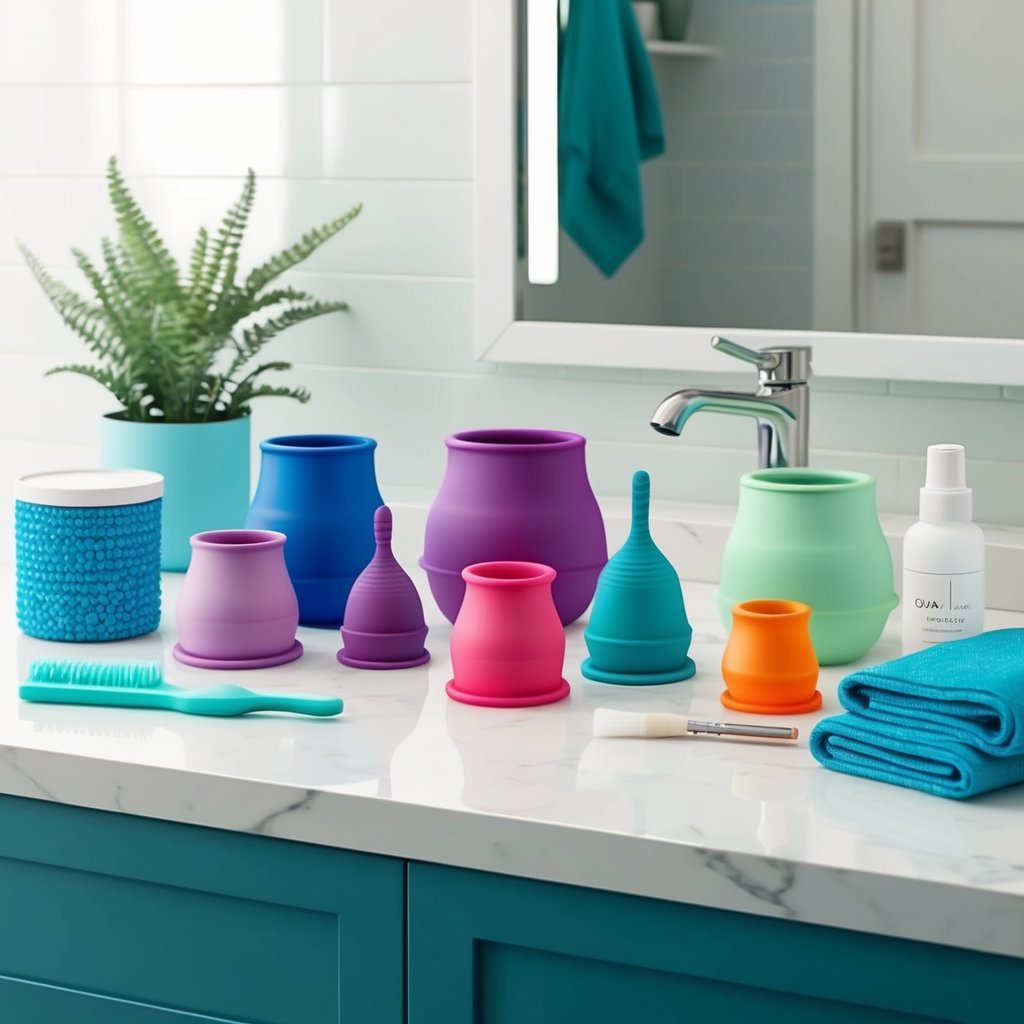
Even experienced menstrual cup users face challenges sometimes. These common problems have simple solutions that can help you get the most from your cup.
Leaks are probably the most frustrating issue with menstrual cups, but they’re usually easy to fix!
The most common cause is incorrect positioning. Try reinserting your cup and make sure it fully opens inside your vagina—you might hear a slight suction sound when it’s properly placed.
The cup may also be too full. On heavy flow days, empty your cup more frequently than the recommended 12 hours. Some of us find checking every 4-6 hours works better.
Another possibility is that your cup size doesn’t match your needs.
If you’ve had children or have a heavier flow, you might need a larger cup. Conversely, if you’re younger or have a lighter flow, a smaller cup could work better.
Try different folding methods too! The punch-down fold creates a smaller insertion point but opens more reliably for some people.
Insertion troubles are common for beginners. Using water or a water-based lubricant can make things smoother.
Experiment with different positions—squatting, sitting on the toilet, or standing with one leg raised often works better than standing straight.
For removal, the most important thing is to break the seal first!
Pinch the base of the cup to release the suction before pulling. If you can’t reach it, don’t panic! Try bearing down with your pelvic floor muscles to push the cup lower.
If you still struggle, try a different fold. The C-fold is simple but the 7-fold or labia fold might be easier for insertion.
Remember that practice makes perfect—most of us needed a few cycles to feel truly comfortable with our cups.
Relaxation is key to both insertion and removal. Take deep breaths and try again if you feel tense.
Menstrual cups represent a significant shift towards more environmentally friendly period care. They offer a sustainable alternative that reduces waste while providing effective protection during menstruation.
When we choose reusable menstrual cups, we make a powerful environmental statement.
A single cup can last up to 10 years, replacing thousands of disposable pads and tampons that would otherwise end up in landfills.
The numbers are quite striking! The average person who menstruates uses approximately 11,000 disposable period products in their lifetime.
By switching to a reusable menstrual cup, we can dramatically reduce this waste.
Period cups are typically made from medical-grade silicone, rubber, or latex—materials that have a much smaller carbon footprint than the manufacturing processes for disposable products.
Additionally, cups don’t require constant purchasing and packaging, further reducing environmental impact. No more monthly plastic wrappers, applicators, and backing strips!
We believe everyone deserves access to sustainable period care options. That’s why advocacy for menstrual cup adoption is growing rapidly across the UK and globally.
Many organisations now promote cups as part of broader menstrual education programmes.
These initiatives help break down barriers like initial cost concerns (cups pay for themselves within 6-8 months!) and address usage questions.
Community workshops offer hands-on learning about proper insertion, removal, and cleaning of cups to collect menstrual fluid safely and comfortably.
Schools are increasingly including information about reusable options in their health education. This early exposure helps normalise sustainable choices from the start.
Online communities provide valuable support for new users, sharing tips and encouragement during the adjustment period.
Remember, it may take 2-3 cycles to feel completely comfortable with your cup!
Using menstrual cups may seem tricky at first, but with proper guidance, they can become a comfortable and eco-friendly period option. Proper cleaning and usage are essential for safety and comfort.
If boiling isn’t an option, you can sterilise your menstrual cup using special sterilising tablets or solutions designed for baby bottles. Simply follow the instructions on the packaging.
Another method is using microwave steriliser bags made specifically for menstrual cups. These are quick and effective alternatives to boiling.
Some people use diluted hydrogen peroxide (3%) to soak their cup for about 5 minutes. Afterwards, rinse thoroughly with clean water.
Start on a lighter flow day when you’re more relaxed. This gives you time to practise without feeling rushed.
Try different folding methods to see which works best for you. The C-fold, punch-down fold, and 7-fold are popular options for beginners.
We recommend inserting while sitting on the toilet or squatting slightly. Relax your muscles and angle the cup towards your tailbone, not straight up.
Don’t get discouraged if it takes several attempts. Most users need a few cycles to feel completely comfortable with insertion and removal.
Empty your cup every 4-8 hours depending on your flow. Pour the contents into the toilet and rinse with clean water.
Wash your cup with mild, fragrance-free, oil-free soap. Avoid harsh cleansers, scented products, or oils as they can damage the cup material and cause irritation.
Make sure to clean the air holes around the rim thoroughly. You can use a soft toothbrush dedicated solely to this purpose or run water through them.
If you’re in a public toilet, simply empty the contents and wipe with toilet paper. Then clean properly when you get home.
Most users experience no side effects when using menstrual cups correctly.
However, some initial discomfort is normal while learning proper insertion techniques.
Rarely, some people might experience irritation or allergic reactions to the cup material. If this occurs, try a cup made from different materials.
There is a very small risk of Toxic Shock Syndrome (TSS), similar to tampons, but the risk is significantly lower. Proper cleaning and not exceeding recommended wear time reduces this risk further.
DO wash your hands before insertion and removal. This helps prevent introducing bacteria into your vagina.
DO ensure the cup has fully opened after insertion by running a finger around the base and feeling for any folds.
DON’T use lubricants with silicone cups as they can damage the material. If needed, use water or water-based lubricants.
DON’T panic if the cup moves up. It cannot get lost inside you. Relax, squat, and bear down gently using your pelvic floor muscles to help lower it.
It’s not necessary to sterilise your cup after every use during your period.
Washing thoroughly with mild soap and water between emptying is sufficient.
We do recommend sterilising your cup before your first use and at the end of each period before storing it.
Boiling for 3-5 minutes in a pot of water is the most common method.
Remember to keep an eye on your cup while boiling to prevent it from touching the bottom of the pot, which could damage it.
Using a whisk as a stand can help keep it from touching the bottom.
