


We all want to eat better, but changing habits can feel tough. The good news is that small tweaks to our daily food choices can add up to big health gains over time.
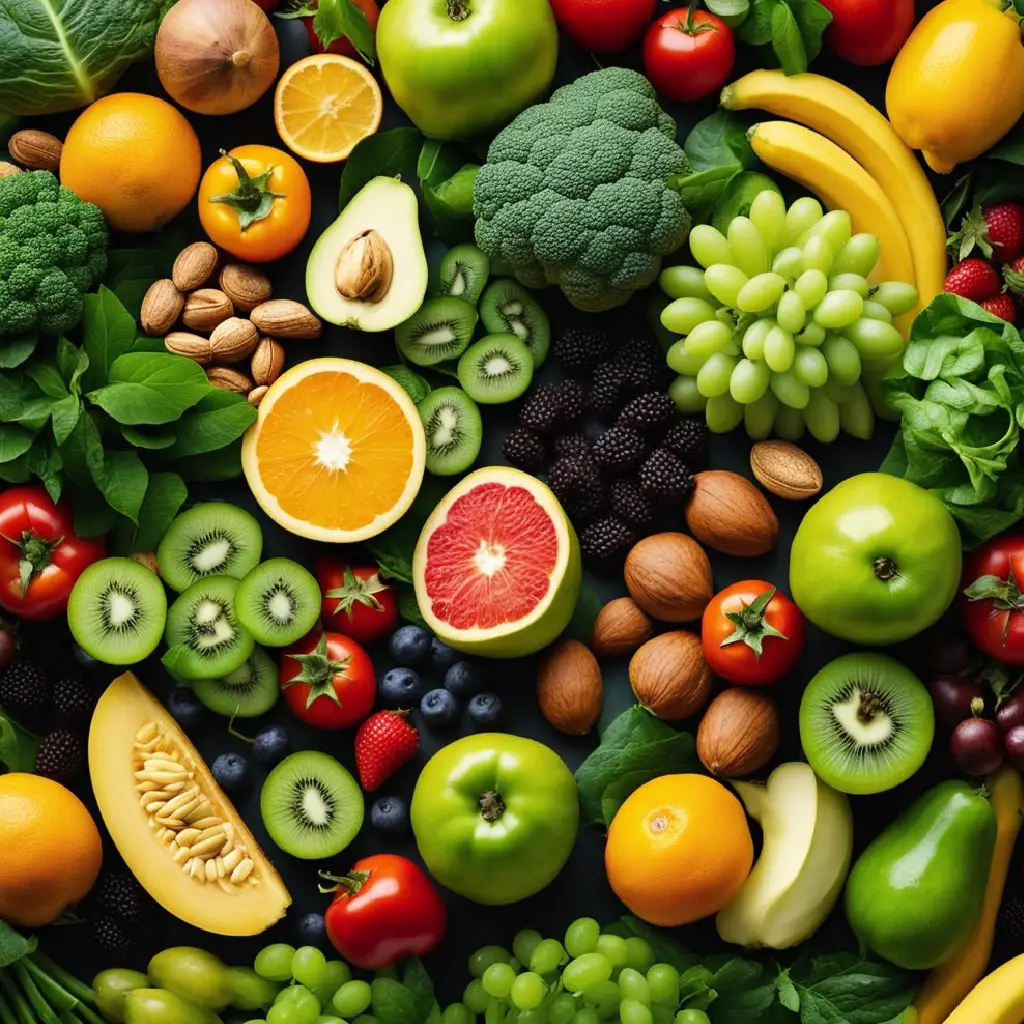
Making positive changes to our eating habits doesn’t have to mean a total diet overhaul. By focusing on simple, doable steps, we can gradually build healthier routines that stick. Let’s explore 10 easy ways we can shift our eating patterns for the better, one bite at a time.
We all know sugary drinks aren’t great for our health. They’re packed with empty calories and can lead to weight gain. But quitting them can be tough. That’s where herbal teas come in.
Herbal teas are a brilliant alternative to sugary drinks. They’re tasty, calorie-free, and often have health benefits. Plus, there are so many flavours to choose from.
We can start small by swapping one sugary drink a day for a herbal tea. Peppermint tea is refreshing and can help with digestion. Chamomile is great for relaxation, especially before bed.
If we’re used to sweet drinks, we can add a bit of honey to our tea at first. Over time, we can reduce the amount until we enjoy the natural flavours.
Hot or iced, herbal teas are versatile. We can brew a big batch and keep it in the fridge for a cool, refreshing drink on hot days.
By making this simple swap, we’re cutting down on sugar and calories. We’re also adding beneficial herbs to our diet. It’s a small change that can make a big difference to our health over time.
Eating more greens is a brilliant way to boost our health. We can start by adding a handful of spinach to our morning smoothie. It’s an easy change that we’ll hardly notice.
For lunch, we might try swapping our usual side for a small salad. Mixed greens, cucumber, and tomatoes make a tasty combo. We can drizzle on a bit of olive oil and lemon juice for extra flavour.
Dinner is another chance to sneak in some greens. We can toss some kale into our pasta sauce or stir-fry. Or we might roast some broccoli as a yummy side dish.
Snack time is perfect for munching on raw veggies. Carrot sticks and sugar snap peas are crunchy and satisfying. We can dip them in hummus for a protein boost.
When we’re ordering takeaway, we can ask for extra veg in our curry or stir-fry. Many places are happy to add more greens at no extra cost.
We don’t need to make huge changes all at once. Small steps, like adding one extra serving of greens each day, can make a big difference over time. Our bodies will thank us for the extra nutrients and fibre.
Swapping white bread for wholegrain is a simple way to boost our health. Wholegrain bread contains more fibre, vitamins, and minerals than its refined counterpart.
The extra fibre helps us feel fuller for longer. This can prevent overeating and snacking between meals. It’s also great for our digestive system and can help keep us regular.
Wholegrain bread comes in many varieties. We can try different types to find our favourite. Some options include wholemeal, granary, and seeded breads.
When shopping, we should check the ingredients list. Look for “whole wheat” or “wholegrain” as the first item. This ensures we’re getting the most nutritional benefit.
It might take a bit of time to get used to the stronger flavour of wholegrain bread. We can start by using it for one meal a day and gradually increase.
Wholegrain bread works well for sandwiches, toast, and even breadcrumbs. We can use it in most recipes that call for white bread.
Remember, small changes add up over time. Choosing wholegrain bread is an easy step towards better eating habits.
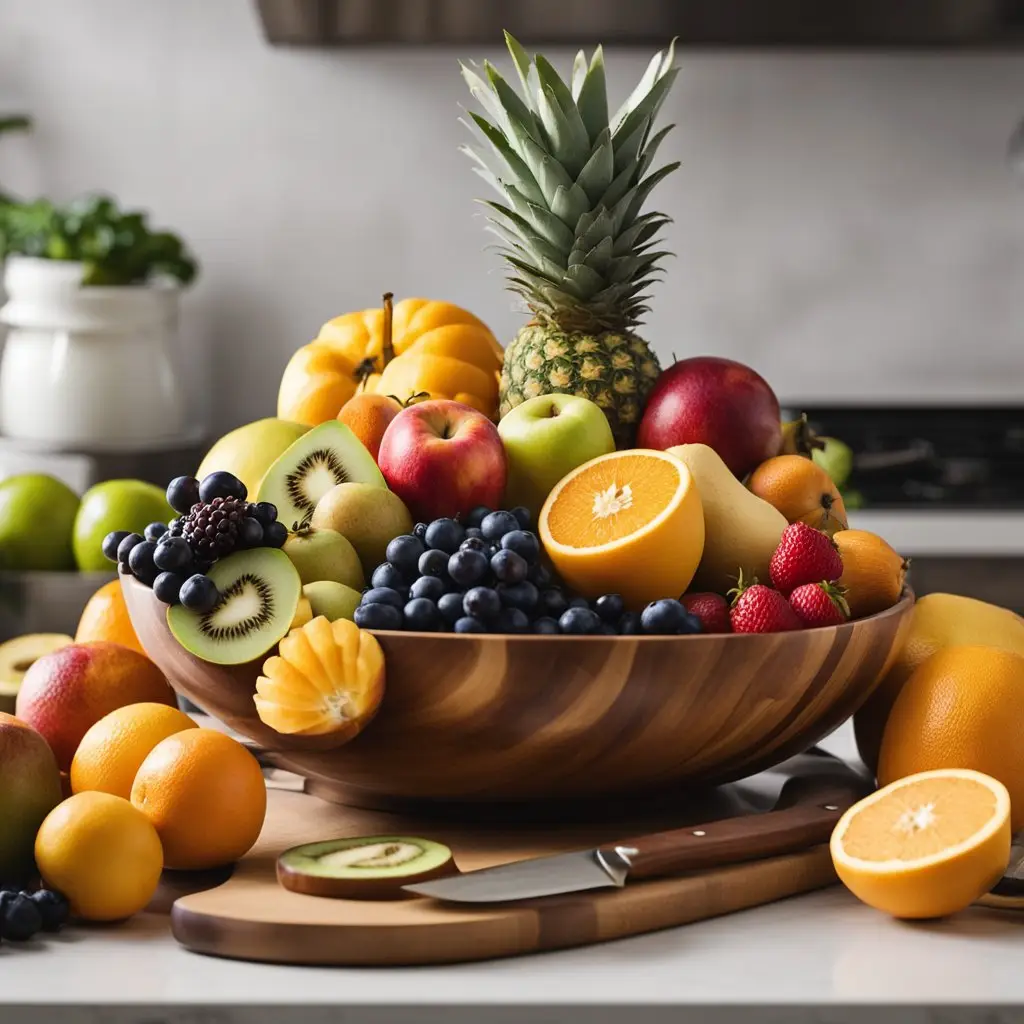
We all know that snacking can be a tricky habit to manage. But what if we could make it work for us instead of against us? Fruit is a brilliant option for a tasty and healthy snack.
Grabbing an apple, banana, or orange is easy and quick. These fruits are portable, so we can take them anywhere. They’re perfect for busy days when we’re on the go.
Fruit is packed with vitamins, minerals, and fibre. It gives us a natural energy boost without the crash that comes from sugary snacks. Plus, it helps keep us full between meals.
We can mix things up by trying different fruits each week. Berries, grapes, and melon chunks are great for variety. We might even discover new favourites we didn’t know we liked.
Fruit can also satisfy our sweet tooth in a healthier way. It’s a great alternative to cakes, biscuits, or sweets. Over time, we might find we crave those sugary treats less often.
To make fruit more exciting, we can pair it with a small amount of nut butter or yoghurt. This adds protein and makes our snack more filling.
By choosing fruit as our go-to snack, we’re making a small change that can have a big impact. It’s an easy step towards better eating habits that we can stick with long-term.
Going meatless one day a week can be a great way to improve our eating habits. It’s a small change that can make a big difference over time.
Meatless Mondays encourage us to try new plant-based meals. We might discover tasty vegetarian dishes we never knew we’d enjoy.
Eating less meat can be good for our health. It often means we eat more fruits, veg, and whole grains. These foods are packed with vitamins and fibre.
It’s also easier on our wallets. Plant-based proteins like beans and lentils are usually cheaper than meat.
We don’t have to be perfect. If Monday doesn’t work, we can pick any day of the week. The goal is to make it a regular habit.
Starting small helps us stick to it. We could swap our usual beef burgers for veggie ones. Or we might try a hearty vegetable soup instead of chicken noodle.
Planning ahead can make it easier. We can look up recipes and shop for ingredients at the weekend. This way, we’re ready to go on Monday.
Trying new recipes keeps things interesting. We might explore cuisines that use lots of veggies, like Indian or Mediterranean food.
Remember, it’s not about giving up meat forever. It’s about adding more variety to our diet and making healthier choices.

Cooking at home is a great way to improve our eating habits. When we prepare our own meals, we have full control over the ingredients and portions. This lets us make healthier choices and avoid hidden fats, sugars, and salt often found in restaurant food.
Home cooking also helps us save money. Eating out or buying ready meals can be expensive. By cooking at home, we can stretch our food budget further and get more nutritious meals for less.
It’s easier than we might think to start cooking more. We can begin with simple recipes and gradually build our skills. Even basic dishes like scrambled eggs or a vegetable stir-fry can be nutritious and tasty.
Meal planning is a useful tool when we’re cooking at home more often. We can decide what to make for the week, buy the ingredients in one go, and prep some items in advance. This saves time and reduces stress during busy weekdays.
Cooking at home also lets us be creative with our food. We can try new recipes, experiment with flavours, and adjust dishes to our liking. It’s a chance to explore different cuisines and expand our food horizons.
Another benefit of home cooking is that it brings people together. We can involve our family or flatmates in meal prep, making it a fun social activity. Sharing a home-cooked meal is a great way to connect with loved ones.
Eating smaller portions is a simple way to improve our eating habits. We don’t need to make drastic changes all at once. Instead, we can start by using smaller plates and bowls for our meals.
This trick helps us serve less food without feeling deprived. We can also try using measuring cups to get a better idea of proper portion sizes. It’s easy to overeat when we’re not aware of how much we’re actually putting on our plates.
Another helpful tip is to eat slowly and savour each bite. This gives our bodies time to register that we’re full. We can put our utensils down between bites and take sips of water to slow our pace.
When dining out, we can ask for a takeaway box right away. This lets us put half of our meal aside before we start eating. Restaurant portions are often much larger than we need, so this helps us avoid overeating.
At home, we can try serving our meals on individual plates rather than family-style. This makes it less tempting to reach for seconds. If we’re still hungry after finishing our plate, we can wait a few minutes before deciding if we really need more.
Reducing portion sizes doesn’t mean we have to feel hungry. We can fill up on low-calorie, nutrient-dense foods like vegetables. These help us feel satisfied while eating less overall.
Adding new spices to our meals can make a big difference in our eating habits. We often stick to the same old flavours, but trying new spices can make healthy foods more exciting.
Spices are a great way to add taste without extra calories. They can make plain foods like chicken or vegetables much more appealing. This helps us enjoy healthier options more often.
We can start small by picking up one new spice each week. Turmeric, cumin, or paprika are good choices to begin with. We can sprinkle them on our usual dishes to see how we like them.
It’s fun to mix and match spices too. We might find a new favourite blend that makes our meals tastier. This can help us look forward to eating at home instead of getting takeaways.
Spices can also inspire us to try new recipes. We might discover dishes from different cultures that we really enjoy. This adds variety to our diet and keeps things interesting.
Some spices even have health benefits. For example, cinnamon might help control blood sugar. Ginger can ease upset stomachs. These extras are a nice bonus when we’re trying to eat better.
Drinking water before meals is a simple yet powerful habit. It can help us feel fuller and eat less. We can start by having a glass of water about 30 minutes before each meal.
This small change can make a big difference. Water takes up space in our stomachs. This means we might not feel as hungry when we sit down to eat.
Water is also good for our bodies in many ways. It helps us stay hydrated and can boost our energy. Some people even find that it helps clear their skin.
We don’t need to drink a huge amount. A standard glass of water is enough to get the benefits. If we’re not keen on plain water, we can add a slice of lemon or lime for flavour.
It’s easy to forget this new habit at first. We can set a reminder on our phones to help us remember. Over time, it will become second nature.
This trick works well when we eat out too. We can ask for water as soon as we sit down at a restaurant. By the time our food arrives, we’ll have had our pre-meal drink.
Remember, small steps like this can lead to big changes over time. Let’s give it a try and see how it works for us.
Eating slowly and mindfully can make a big difference in our eating habits. When we take our time with meals, we’re more likely to enjoy our food and feel full with less.
One way to slow down is to put our fork down between bites. This simple act gives us a moment to pause and savour each mouthful.
We can also try chewing our food more thoroughly. Aim for 20 to 30 chews per bite. This not only helps with digestion but also makes the meal last longer.
Turning off the telly and putting away our phones during meals can help us focus on eating. When we’re not distracted, we’re more aware of what and how much we’re consuming.
Using smaller plates and utensils can trick our brains into thinking we’re eating more. This can help us feel satisfied with smaller portions.
Taking sips of water between bites is another good way to slow down. It keeps us hydrated and helps us feel full faster.
We can try to engage all our senses while eating. Notice the colours, smells, textures, and flavours of our food. This makes meals more enjoyable and helps us eat less.
Eating mindfully means paying attention to how food makes us feel. We should stop eating when we’re comfortably full, not stuffed.
By eating slowly and mindfully, we can improve our relationship with food and make healthier choices over time.
Our eating habits shape our health and well-being. Good habits can boost our energy and mood, while poor ones may lead to health issues. Let’s explore why our food choices matter so much.
Healthy eating habits can help us live longer, better lives. They lower our risk of heart disease, diabetes, and some cancers. Good habits also keep our weight in check and our bones strong.
Eating lots of fruits and veg boosts our immune system. This means fewer colds and flu. Whole grains give us fibre, which aids digestion and keeps us full.
Here’s a quick list of foods that pack a health punch:
By choosing these foods often, we set ourselves up for a healthier future.
What we eat affects how we feel and think. A balanced diet can improve our mood and brain function. It may even help with stress and anxiety.
Foods rich in omega-3 fats, like fish, can boost our mental health. B vitamins found in whole grains support our nervous system. Eating regular meals helps keep our blood sugar steady, which affects our mood.
Sugary and processed foods might give us a quick lift, but it doesn’t last. They can lead to mood swings and tiredness. Instead, we can opt for complex carbs and proteins for steady energy.
Drinking enough water is key too. Even mild dehydration can make us feel down or cranky. Aim for 6-8 glasses a day to stay sharp and cheerful.
Starting new eating habits can feel daunting. We’ll explore setting achievable goals and planning meals with intention to make positive changes easier.
Let’s start small. Pick one or two habits to change at first. Maybe swap fizzy drinks for water at lunch. Or add an extra serving of veg to dinner. Write down your goals and post them on the fridge.
Track your progress in a food diary or app. This helps spot patterns and stay on course. Celebrate small wins along the way. Did you eat fruit as a snack all week? Brilliant!
Don’t aim for perfection. If you slip up, just get back on track at the next meal. Remember, it’s about progress, not perfection.
Planning ahead makes healthy eating easier. Set aside time each week to plan meals. Look for simple, nutritious recipes that excite you. Make a shopping list to avoid impulse buys.
Prep ingredients in advance when possible. Chop veg, cook grains, or make big batches to freeze. This saves time on busy days.
Pay attention while you eat. Turn off screens and savour each bite. Notice flavours, textures, and how full you feel. This helps you enjoy food more and eat just enough.
Try new foods regularly. Pick up a fruit or veg you’ve never tried before. Or experiment with different whole grains. Variety keeps meals interesting and boosts nutrition.
